
THANK YOU FOR SUBSCRIBING
× 
Prop Tech Outlook Weekly Brief
Be first to read the latest tech news, Industry Leader's Insights, and CIO interviews of medium and large enterprises exclusively from Prop Tech Outlook
Proptech Outlook: Specials Magazine
![AppFolio [NASDAQ: APPF]: Smarter Property Management, Simplified](https://www.proptechoutlook.com/uploaded_images/Untitled-6-soprm.jpg "AppFolio [NASDAQ: APPF]: Smarter Property Management, Simplified")
AppFolio [NASDAQ: APPF]
Smarter Property Management, Simplified
Real estate operations today depend on how effectively teams can execute tasks across leasing, maintenance, and financial processes without delays or inconsistencies. Since its founding in 2006, AppFolio (NASDAQ: APPF) has focused on building software that enables property managers to move from manual coordination to structured, automated workflows that improve execution and visibility across operations. Headquartered in Santa Barbara, California, AppFolio was built to simplify property management while supporting scale. Its cloud-based platform supports a wide range of real estate segments including multifamily, single-family residential, commercial, student housing and mixed-use portfolios. Over time, the platform has evolved from a system of record into a system of execution, where workflows are defined, automated and continuously optimized. AppFolio’s approach centers on embedding workflow automation into everyday property management tasks. Rather than relying on fragmented tools or manual intervention, the platform enables users to standardize processes across the property lifecycle. This shift allows property managers to reduce inconsistencies and improve response times while maintaining control over complex operations. Embedding Workflow Automation Across Property Operations At the core of AppFolio’s platform is its ability to automate workflows across leasing, maintenance and financial management. Through its workflow automation capabilities, property managers can define task sequences, trigger actions based on events and ensure that processes are executed consistently without manual oversight. For example, leasing workflows can automatically guide prospective tenants from inquiry to application, screening and lease signing. Maintenance workflows can route service requests, assign vendors and track completion status in real time. These automated sequences reduce reliance on manual coordination and help ensure that no step is missed. The platform also centralizes data across these workflows, allowing users to manage operations from a single interface. Property managers can track performance, monitor tasks and access relevant information without switching between systems. This unified structure improves clarity and enables faster decision-making across teams.
![AppFolio [NASDAQ: APPF] Smarter Property Management, Simplified](https://www.proptechoutlook.com/newstransfer/upload/Smart_Property_Automation_Systems-loczl-.jpg "AppFolio [NASDAQ: APPF] Smarter Property Management, Simplified")
Property Management
Serenity Smart Homes
Protecting Privacy While Making Smart Homes Accessible
Ashley Williams, Founder
Why are subscription-based smart home systems problematic for property owners and investors? When a luxury short-term rental property in Atlantic City needed smart home automation across multiple units, the owner faced a familiar problem: existing systems tied to vendor subscriptions, footage stored on outside servers, and a prior installer who had gone dark. Ashley Williams of Serenity Smart Homes took a different approach. No monthly fees. No cloud dependency. No data leaving the building. For property investors and homeowners who are tired of paying perpetual subscription costs just to access their own devices, that distinction is increasingly the point. Serenity Smart Homes works with homeowners, renters, builders and real estate investors who want to integrate connected technology without the recurring cost structures that eat into property returns. Its services span consultation and device selection through installation, programming and ongoing support. Projects range from water leak detection and automatic shutoff to lighting automation, HVAC control, security cameras and smart locks — for residences, new construction and income-producing properties including short-term rentals where reliability and guest experience directly affect revenue. “Our big focus is building subscription-free smart homes that protect people’s privacy,” says Ashley Williams. “We want to give people a choice about what happens with their data and make smart home technology work without constantly sending information to the cloud.” Making Smart Home Technology Understandable How does hands-on guidance improve adoption of smart home technology for non-technical users? Many clients approach Serenity Smart Homes without deep technical experience. Marketing around smart devices often suggests universal compatibility with ecosystems such as Apple, Google or Alexa. In practice, limitations between devices and platforms can create confusion. Williams addresses this by meeting clients in their homes or workplaces and demonstrating technology in person. It allows them to see how devices interact and better understand what automation can realistically deliver. She also guides clients through device selection, installation and configuration. This hands-on approach makes smart home technology more accessible for homeowners who might otherwise feel overwhelmed by the choices.

Property Management

What operational challenges emerge when property management communication becomes fragmented across multiple systems? In commercial property management, owners, asset managers and property managers often manage tenant communication, vendor coordination and day-to-day activity across emails, texts, portals and other disconnected channels. As portfolios grow, that fragmentation makes it harder to maintain a clear view of activity across a property. Important details fall through the cracks, follow-up becomes inconsistent and teams lose sight of previous communication, actions and agreements. Cardinal was built from firsthand experience with those challenges. Developed by a team of owners and operators of commercial real estate and commercial real estate technology, the platform reflects a practical understanding of what happens when communication, issue tracking and day-to-day workflows are fragmented. Cardinal brings those functions into one shared environment where teams can see, manage and act on information collectively. “Property management doesn’t break because of a lack of software. It breaks because things fall through the cracks,” says Huston Hedinger, CEO. “Cardinal was built to close those gaps and bring accountability to every part of operations.” Shared Communication, Faster Execution How does Cardinal support visibility and coordination across property management communication workflows? Cardinal’s workflow is designed around how property operations function. Tenants, vendors and other stakeholders can interact in a way that is visible to the broader team rather than sitting with one property manager in an isolated inbox. That makes it easier to see what needs attention, what has already taken place and who is responsible for the next step. This structure improves how teams respond. When communication is delayed or hard to trace, friction grows quickly, whether tenants are waiting on a response or landlords are trying to understand what action has been taken. By keeping communication, issue tracking, maintenance activity, vendor follow-up and knowledge management in the same platform, Cardinal gives teams a more direct path from message to execution. Property-level information tied to leases, rent, square footage and ongoing activity also remains accessible, supporting better day-to-day decision-making and lease administration.
Real Estate Technologies and Solutions

Innovating the Single-Family Leasing Industry
Philip Irby, Chief Technology Officer, American Homes 4 Rent
Commercial Real Estate Solutions

Creating More Certainty In An Uncertain Market
Will Holmes, Head of Partnerships, Opendoor
Smart Building

The Value of Cutting Edge
Drew Fredrick, Vice President Enterprise Shared Services | Enterprise Technology Alignment and Delivery, Clayton
Real Estate Technologies and Solutions

From the Ground Up: A Journey in Property Management
Chad Johnson, Regional Vice President of Property Management, Kimco Realty Corporation
Property Management

Operational Clarity as Property Management's Edge
Melissa Pratt, CAPS, HCCP, TCS, COS, BOS, Vice President of Property Management, Wilhoit Properties, Inc.
Property Management

Why are Property Insurance Premiums so Unpredictable?
Kelley Shapiro, Vice President, Risk Management, Lightstone
Property Management
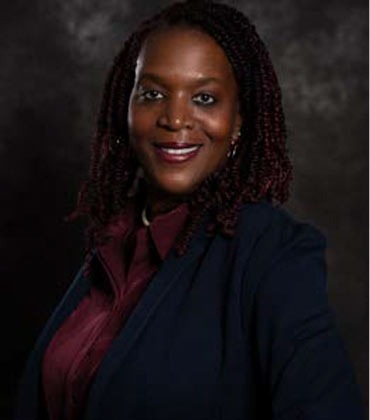
The Power of Communication in the Workplace
Yolanda D. Dawan, Sr. Property Manager, Lincoln Property Company

IN MY OPINION
Real Estate Mobile Apps and Software
The Emperor's New Algorithm: AI's Trillion Dollar Wardrobe
Ben McLendon, Vice President of Information Technology, RISE A Real Estate Company
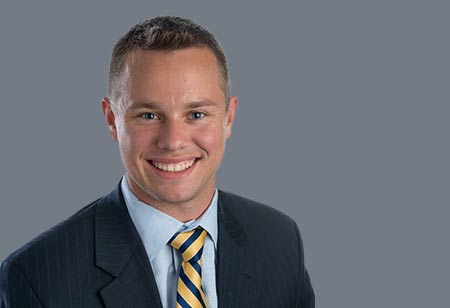
LAST WORD
Real Estate Investment and Transactions
Tech Continues to Transform the Broker's Universe
Brian Scruton, Managing Director, Cushman & Wakefield Leasing Services Group
IN FOCUS

The Rise of Smart Property Automation Systems in Modern Real Estate Management
Smart property automation enhances comfort, security, efficiency, wellness monitoring, and digital engagement, redefining modern tenant experiences in connected buildings.

Elevating Air Quality: Factors Driving the Air Filter System Sector
Increasing concerns about air quality and health, coupled with smart, efficient filtration technologies, are encouraging widespread adoption across residential and commercial sectors.
EDITORIAL
Integrated Intelligence in Property Automation
Property technology is advancing beyond point solutions toward more connected operating environments where automation, data visibility and risk resilience increasingly shape asset performance. This edition of PropTech Outlook explores how property leaders are improving operational continuity, resident experience and decision-making through technology designed for long-term value.
Featured in this edition, Serenity Smart Homes, recognized as Top Smart Property Automation Systems 2026, reflects a differentiated approach to smart property technology built around privacy, local control and subscription-free automation. By aligning connected technologies with homeowner and investor priorities, the company demonstrates how automation can support convenience, security and operational efficiency without adding recurring complexity. Its focus on practical implementation and data control is helping reshape expectations around intelligent living environments.
Also recognized, Cardinal, awarded Top Property Management Software 2026, addresses a foundational challenge in commercial real estate operations: fragmented communication and workflow execution. By centralizing tenant communication, issue tracking and operational coordination into a shared environment, Cardinal improves accountability, continuity and responsiveness across portfolios. Its model reinforces how software can strengthen execution not simply through digitization, but through operational clarity.
This issue is further enriched by perspectives from Philip Irby, Chief Technology Officer at American Homes 4 Rent, who examines how integrated digital platforms, smart communities and cybersecurity are reshaping the resident experience at scale. Kelley Shapiro, Vice President, Risk Management at Lightstone, offers a complementary perspective on resilience, emphasizing the growing importance of data discipline and risk preparedness amid volatility in the property insurance landscape. Together, these contributions frame innovation as both a growth driver and a risk management imperative.
Across these stories, a common theme emerges. The future of property technology will be defined by solutions that connect operational intelligence, resident experience and resilience into a more cohesive ecosystem. We invite readers to explore how these leaders are helping shape that next chapter.
